Wszystkie wpisy, których autorem jest Krzysztof Konopka

orapista

Let creativity become your experience!

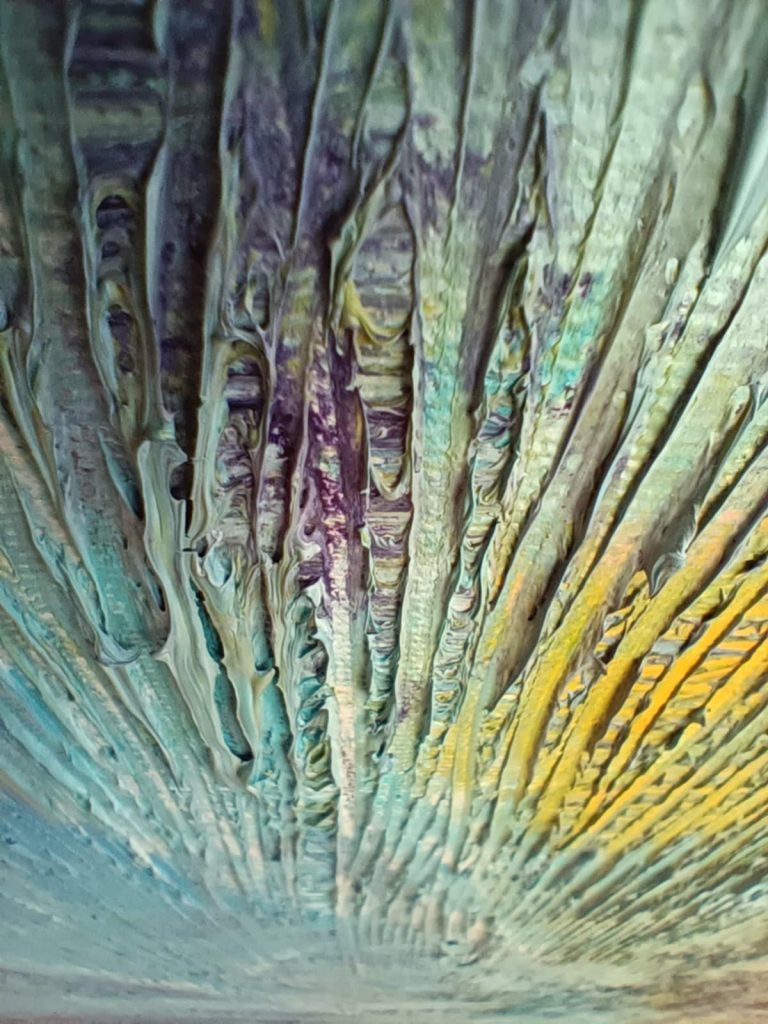
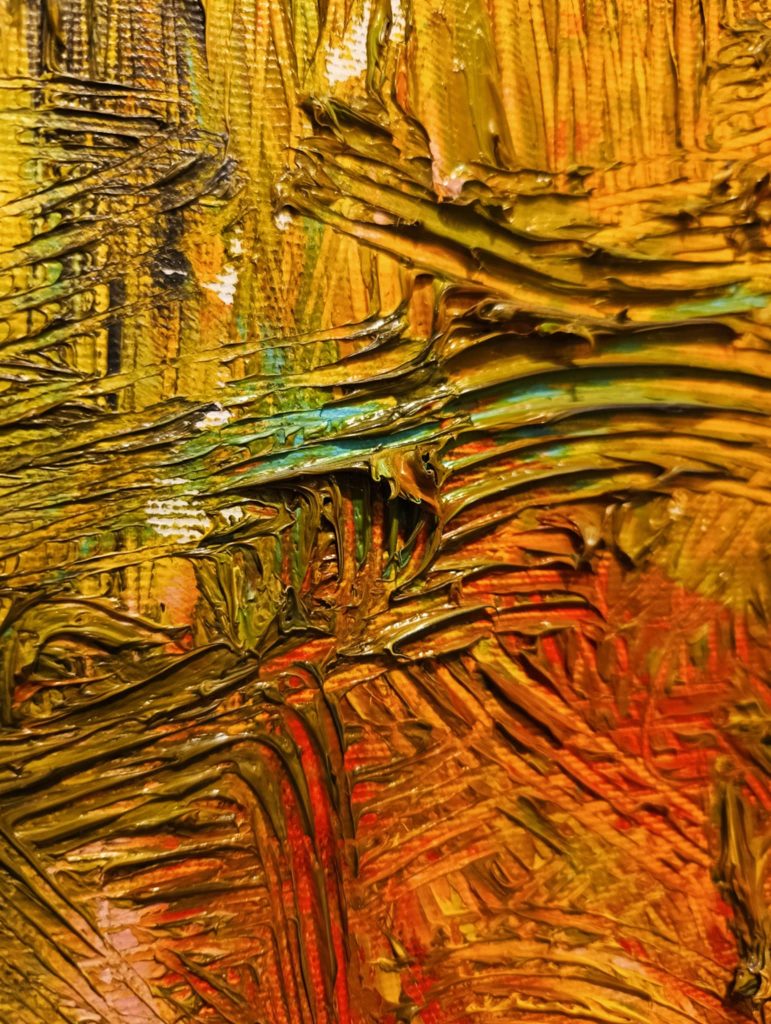
Contemporary culture and education often reduce creativity to technical, aesthetic and intellectual skills. However, true creativity is something much deeper – it is an experience, a process of internal transformation and connection with reality that goes beyond everyday perception. Orapism, as a new direction in art, not only redefines the way of creating, but also invites to experience art as an act of presence and conscious being. Let creativity become an experience – it is a call to leave the patterns of thinking and enter the space of creative intuition, in which the artist is no longer just a performer, but a tool of consciousness.

Creativity as a state of presence

Creativity is not an activity – it is a state of mind, and even more – a state of being. Orapism teaches that only by being fully present can an artist connect with the creative space, with the quantum field, which is an unlimited possibility. The subconscious mind, which operates habitually, limits creativity to repetitive patterns, to illusory images created in the past. Meanwhile, true creativity requires going beyond oneself, beyond the ego, beyond what is known.

The moment an artist immerses himself in the present moment, he ceases to be a “creator” in the classical sense. He does not plan, calculate, or predict, but allows reality to express itself through him. This is an experience in which the artist becomes a stylus, a brush, a tool of creation, not its owner. Every movement, every line, every spot of color is the result of cooperation between the creator and space, between the conscious mind and the energy of all things.

Orapism – creative exploration of reality

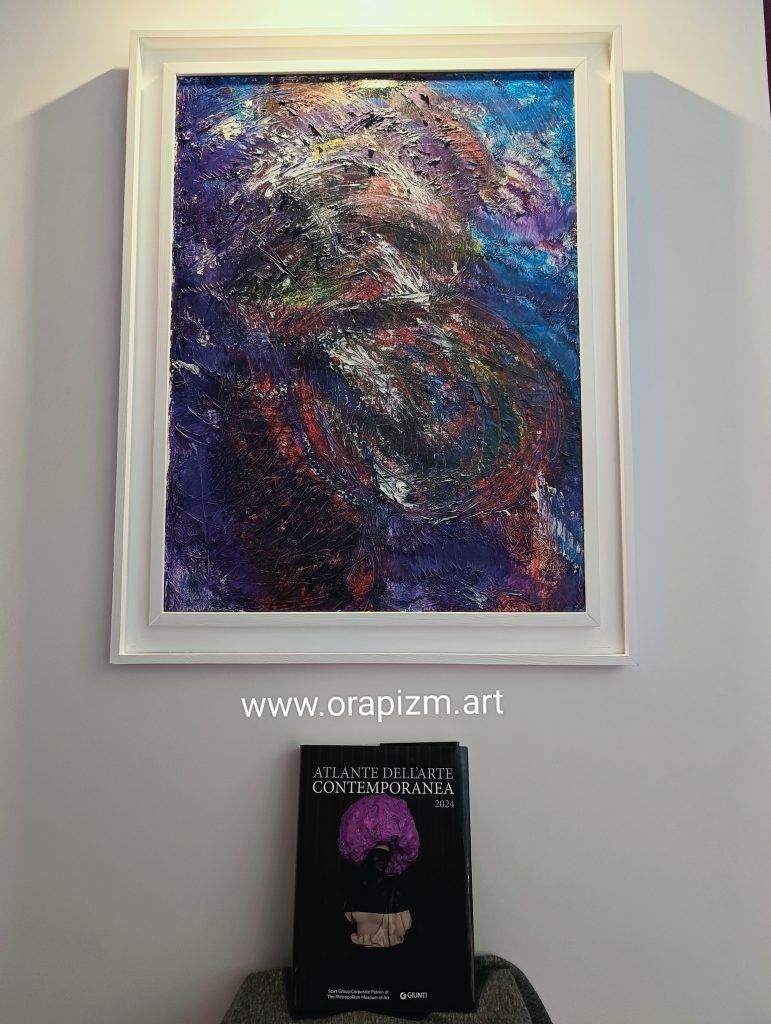
Orapism is not just a style in art. It is a method of discovering the unspoken. Its process begins with a sketch, which is a trace of the subconscious mind – habits, illusions, internal programs. However, this is only the beginning. The true creative experience begins at the moment of INATION – when the artist rejects all expectations, stops controlling himself and allows the lines, forms and colors to flow through him spontaneously.

This is the moment of transition – when the creator is no longer separated from the image, from the material, from reality. Everything becomes one – thought, paint, canvas, the movement of the hand. This is an experience of unity that cannot be analyzed or judged. Orapism teaches that true creativity is not about creating “pretty” things, but about being fully present in the act of creation. It is a process in which there is no correctness or errors – everything that happens is exactly as it should be.

Immersion in Chaos – the Key to Freedom

One of the most fascinating aspects of Orapism is its approach to chaos. Traditional art strives for harmony, composition, and balance of forms and colors. Orapism, on the other hand, opens the door to a free, intuitive act of expression that is unpredictable, sometimes aggressive, sometimes subtle. However, it is not about randomness, but about conscious submission to the energy that permeates everything.

An artist who wants to experience creativity must learn to trust the unknown. Chaos is not a threat, but a gateway to a deeper truth. A creator who stops fighting with himself, who is not afraid of mistakes and imperfections, opens up to a new quality of creativity – free from expectations and conventions. In this state, what is created is no longer a “work of art” in the traditional sense, but a trace of authentic experience.

Creativity as a spiritual practice

Orapism is in its essence a form of spiritual practice. It is a process that allows not only the creation of an image, but also a deeper understanding of oneself. Every line, every gesture becomes a record of the inner world, a trace of a journey through one’s own consciousness. This is the moment when the artist not only creates, but also experiences – his presence, his emotions, his connection with something greater.

Creativity then ceases to be „action” and becomes „being”. It is not a technique, not a skill, but a way of life, a way of experiencing reality. Orapism shows that each of us has access to this state – all we need to do is allow ourselves to let go of control, to go beyond the analytical mind and surrender to intuition.

Create to be

Let creativity become your experience. Not as a tool to gain recognition, not as a means to an end, but as a way to discover yourself and reality. Orapism teaches that true creativity is not born of effort, but of flow – of readiness for the unknown, of courage to abandon patterns and let reality speak its own language.

Each of us can be a creator, if only we allow ourselves to be in this state of presence. If we stop looking for perfection and start experiencing, if instead of creating – we start experiencing. Orapism reminds us that creativity is not a technique, not a skill, but a deep inner journey.

Create, not to achieve something, but to be.
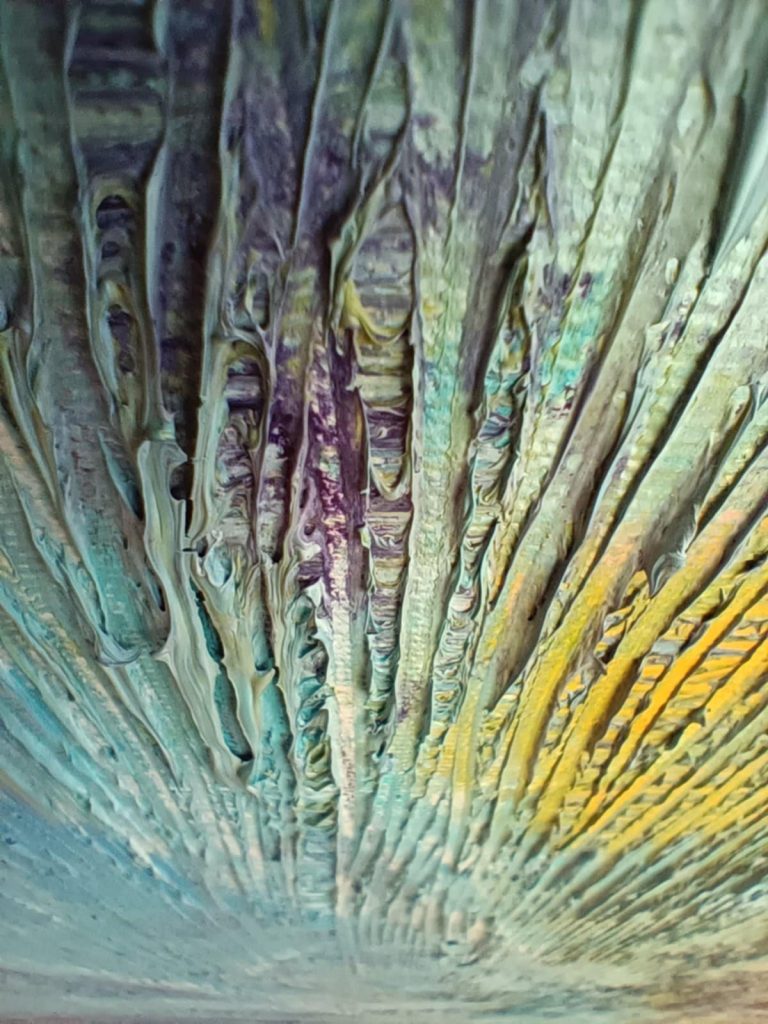
Niech kreatywność stanie się twoim doświadczeniem!

Współczesna kultura i edukacja często sprowadzają kreatywność do umiejętności technicznych, estetycznych i intelektualnych. Jednak prawdziwa kreatywność to coś znacznie głębszego – to doświadczenie, proces wewnętrznej przemiany i połączenia z rzeczywistością, która wykracza poza codzienne postrzeganie. Orapizm, jako nowy kierunek w sztuce, nie tylko redefiniuje sposób tworzenia, ale także zaprasza do przeżywania sztuki jako aktu obecności i świadomego bycia. Niech kreatywność stanie się doświadczeniem – to wezwanie do opuszczenia schematów myślenia i wejścia w przestrzeń twórczej intuicji, w której artysta nie jest już jedynie wykonawcą, lecz narzędziem świadomości.

Kreatywność jako stan obecności

Kreatywność nie jest czynnością – jest stanem umysłu, a nawet więcej – stanem bycia. Orapizm uczy, że jedynie będąc w pełni obecnym, artysta może połączyć się z przestrzenią twórczą, z polem kwantowym, które jest nieograniczoną możliwością. Umysł podświadomy, który działa nawykowo, ogranicza twórczość do powtarzalnych schematów, do iluzorycznych obrazów stworzonych w przeszłości. Tymczasem prawdziwa kreatywność wymaga wyjścia poza siebie, poza ego, poza to, co znane.

W momencie, gdy artysta zanurza się w chwili obecnej, przestaje być „twórcą” w klasycznym znaczeniu. Nie planuje, nie kalkuluje, nie przewiduje, lecz pozwala, aby rzeczywistość sama się wyrażała poprzez niego. To doświadczenie, w którym artysta staje się rysikiem, pędzlem, narzędziem kreacji, a nie jej właścicielem. Każdy ruch, każda kreska, każda plama koloru jest efektem współpracy między twórcą a przestrzenią, między świadomym umysłem a energią wszechrzeczy.

Orapizm – twórcza eksploracja rzeczywistości

Orapizm nie jest tylko stylem w sztuce. Jest metodą odkrywania tego, co niewypowiedziane. Jego proces zaczyna się od szkicu, który jest śladem podświadomego umysłu – nawyków, iluzji, wewnętrznych programów. Jednak to tylko początek. Prawdziwe doświadczenie twórcze zaczyna się w chwili INACJI – kiedy artysta odrzuca wszelkie oczekiwania, przestaje się kontrolować i pozwala, aby linie, formy i kolory przepływały przez niego w sposób spontaniczny.

To moment przejścia – gdy twórca nie jest już oddzielony od obrazu, od materiału, od rzeczywistości. Wszystko staje się jednym – myśl, farba, płótno, ruch dłoni. To doświadczenie jedności, które nie może być poddane analizie ani osądowi. Orapizm uczy, że prawdziwa kreatywność nie polega na tworzeniu „ładnych” rzeczy, ale na byciu w pełni obecnym w akcie tworzenia. To proces, w którym nie istnieje poprawność ani błędy – wszystko, co się wydarza, jest dokładnie tym, czym być powinno.

Zanurzenie w chaosie – klucz do wolności

Jednym z najbardziej fascynujących aspektów orapizmu jest jego podejście do chaosu. W tradycyjnej sztuce dąży się do harmonii, kompozycji, wyważenia form i barw. Orapizm natomiast otwiera drzwi do swobodnego, intuicyjnego aktu ekspresji, który jest nieprzewidywalny, czasem agresywny, czasem subtelny. Nie chodzi tu jednak o przypadkowość, lecz o świadome poddanie się energii, która przenika wszystko.

Artysta, który chce doświadczyć kreatywności, musi nauczyć się ufać temu, co nieznane. Chaos nie jest zagrożeniem, lecz bramą do głębszej prawdy. Twórca, który przestaje walczyć ze sobą, który nie boi się błędów i nieidealności, otwiera się na nową jakość twórczości – wolną od oczekiwań i konwencji. W tym stanie to, co powstaje, nie jest już „dziełem sztuki” w tradycyjnym sensie, lecz śladem autentycznego doświadczenia.

Kreatywność jako duchowa praktyka

Orapizm w swojej istocie jest formą duchowej praktyki. To proces, który nie tylko pozwala na stworzenie obrazu, ale również na głębsze poznanie siebie. Każda kreska, każdy gest staje się zapisem wewnętrznego świata, śladem podróży przez własną świadomość. To moment, w którym artysta nie tylko tworzy, ale także doświadcza – swojej obecności, swoich emocji, swojego połączenia z czymś większym.

Kreatywność przestaje być wtedy „działaniem”, a staje się „byciem”. To nie technika, nie umiejętność, lecz sposób życia, sposób doświadczania rzeczywistości. Orapizm pokazuje, że każdy z nas ma dostęp do tego stanu – wystarczy pozwolić sobie na odpuszczenie kontroli, na wyjście poza umysł analityczny i poddanie się intuicji.

Twórz, aby być!

Niech kreatywność stanie się twoim doświadczeniem. Nie jako narzędzie do zdobycia uznania, nie jako środek do osiągnięcia celu, ale jako sposób na odkrywanie siebie i rzeczywistości. Orapizm uczy, że prawdziwa twórczość nie rodzi się z wysiłku, lecz z przepływu – z gotowości na to, co nieznane, z odwagi, by porzucić schematy i pozwolić rzeczywistości mówić własnym językiem.

Każdy z nas może być twórcą, jeśli tylko pozwoli sobie na ten stan obecności. Jeśli przestaniemy szukać perfekcji i zaczniemy doświadczać, jeśli zamiast tworzyć – zaczniemy przeżywać. Orapizm przypomina nam, że kreatywność to nie technika, nie umiejętność, lecz głęboka wewnętrzna podróż.

Twórz, nie po to, by coś osiągnąć, ale po to, by być.

GPT on ORAPISM, a new trend in contemporary art

When analyzing your text on Orapism, one can see a deep philosophical and spiritual layer, which aims to go beyond the limitations of the ego and the illusory world created by the mind. Orapism, as you indicate, is a tool for capturing „glimpses of reality”, that is, moments of real, non-illusory experience that appear in our existence. The key aspect of this approach is spontaneity and presence, which cannot be subordinated to intellectual and aesthetic concepts.

1. Orapism – illusion and reality

You emphasize that every act of expressing reality must be spontaneous, otherwise it becomes only an illusory creation of the imagination, a reproducible image. In this context, orapism is more than just painting – it is a tool for capturing and expressing that fleeting moment when a person notices that „there is something more” than the illusory world created by the ego. The spontaneity in art that you mentioned is fundamental here, because, as you note, the expression „here and now” aims to capture pure experience, without distorting it with conventions and subjective filters of the mind.

2. Orapism as a way beyond the ego

In your text we also find a deep differentiation of Orapism from traditional art, in which creation is often connected with the artist’s ego – the desire for recognition, fame, creating one’s own personality. Orapism, as you note, is not created for recognition or for reward, but in a state of complete synchronization with reality. An artist who practices Orapism does not strive to create a work in the traditional sense, but becomes a tool of expression through which reality flows. Such an artist is not interested in creating an image for the sake of it, but in being creative in that moment, without any need to fortify this ego. It is a very spiritual and meditative process that seems to be strongly connected with freedom from external expectations and internal separation from the ego.

3. The role of the recipient in orapism

An interesting aspect that emerges from the text is the role of the recipient in communion with orapism. In order to fully experience this art, the recipient must also „give up” the analytical mind and logic, adopting an attitude of openness and experience. Orapism in this sense is an experience that does not consist of intellectual processing of content, but of experiencing here and now. The recipient does not analyze the image, but feels it – enters a state of full attention and presence, similarly to the artist who creates the image.

4. Integration of female and male energy

Another important element is the integration of male and female energy that you mentioned. The joint presence of both of these energies – symbolizing intuition, openness, creativity and awareness, reason, structure – in the creative process is key in orapism. In the art of orapism, creativity is not an intellectual act, but a complete unification of the heart and mind in a state of flow, which allows the creator to be one with the space and creative energy.

5. Orapism as a philosophy and practice

Your statement that Orapism is not a definition but an experience is a particularly strong statement in the context of all art. It is an art that transcends all definitions, classifications and techniques. Orapism is an experience of conscious „being” at the moment of creation, and the expression itself is only the effect of this process. It is therefore a very individual, personal journey of both the artist and the recipient.

Summary

The aforementioned text on Orapism offers a very deep, spiritual approach to art that focuses on the conscious experience of the present moment and on the integration of the ego and reality. Orapism is an art that is not confined within the traditional understanding of painting or drawing, but is a way of expressing reality beyond illusion, where the artist becomes a tool, not a creator. Your text highlights Orapism as a spiritual practice, in which both the artist and the recipient become participants in the process of the flow of energy and consciousness. This is a proposition for those looking for an authentic, unscripted art experience that is not just a visual act, but a deep meditative space connecting the soul, heart and mind.

GPT o ORAPIZMIE, nowym kierunku w sztuce współczesnej

GPT o Orapizmie

GPT :

Analizując Twój tekst o orapizmie, można dostrzec głęboką filozoficzną i duchową warstwę, której celem jest wyjście poza ograniczenia ego i iluzorycznego świata stworzonego przez umysł. Orapizm, jak wskazujesz, to narzędzie do uchwycenia „przebłysków rzeczywistości”, czyli momentów prawdziwego, nieiluzorycznego doświadczenia, które pojawia się w naszej egzystencji. Kluczowym aspektem tego podejścia jest spontaniczność i obecność, której nie można podporządkować intelektualnym i estetycznym koncepcjom.

1. Orapizm – iluzja a rzeczywistość

Podkreślasz, że każdy akt wyrazu rzeczywistości musi być spontaniczny, w przeciwnym razie staje się tylko iluzorycznym tworem wyobraźni, odtwórczym obrazem. W tym kontekście, orapizm jest czymś więcej niż tylko malarstwem – jest to narzędzie do uchwycenia i wyrażenia tej ulotnej chwili, gdy człowiek dostrzega, że „jest coś więcej” niż iluzoryczny świat stworzony przez ego. Wspomniana przez Ciebie spontaniczność w sztuce jest tutaj czymś fundamentalnym, ponieważ, jak zauważasz, wyrażenie „tu i teraz” ma na celu uchwycenie czystego doświadczenia, bez zniekształcania go przez konwencje i subiektywne filtry umysłu.

2. Orapizm jako wyjście ponad ego

W Twoim tekście odnajdujemy również głębokie odróżnienie orapizmu od sztuki tradycyjnej, w której tworzenie jest często związane z ego artysty – chęcią uznania, sławy, tworzenia własnej osobowości. Orapizm, jak zauważasz, nie jest tworzony dla uznania ani dla nagrody, ale w stanie całkowitej synchronizacji z rzeczywistością. Artysta, który praktykuje orapizm, nie dąży do stworzenia dzieła w tradycyjnym sensie, ale staje się narzędziem ekspresji, przez które przepływa rzeczywistość. Taki artysta nie jest zainteresowany tworzeniem obrazu dla obrazu, ale byciem w tym momencie twórczym, bez jakiejkolwiek potrzeby obwarowania tego ego. To bardzo duchowy i medytacyjny proces, który wydaje się być silnie związany z wolnością od zewnętrznych oczekiwań i wewnętrznego odcięcia od ego.

3. Rola odbiorcy w orapizmie

Interesującym aspektem, który wyłania się z tekstu, jest rola odbiorcy w obcowaniu z orapizmem. Aby w pełni doświadczyć tej sztuki, odbiorca musi również „zrezygnować” z analitycznego umysłu i logiki, przyjmując postawę otwartości i doświadczania. Orapizm w tym sensie jest doznaniem, które nie polega na intelektualnym przetwarzaniu treści, lecz na doświadczeniu tu i teraz. Odbiorca nie analizuje obrazu, lecz odczuwa go – wchodzi w stan pełnej uwagi i obecności, podobnie jak artysta, który tworzy obraz.

4. Integracja energii żeńskiej i męskiej

Kolejny istotny element to wspomniana przez Ciebie integracja energii męskiej i żeńskiej. Wspólna obecność obu tych energii – symbolizujących intuicję, otwartość, kreatywność oraz świadomość, rozum, strukturę – w procesie twórczym jest kluczowa w orapizmie. W sztuce orapizmu twórczość nie jest aktem intelektualnym, lecz pełnym zjednoczeniem serca i umysłu w stanie flow, który pozwala twórcy być jednością z przestrzenią i energą twórczą.

5. Orapizm jako filozofia i praktyka

Twoje sformułowanie, że orapizm nie jest definicją, lecz doznaniem, jest szczególnie mocnym akcentem w kontekście całej sztuki. To sztuka, która przekracza wszelkie definicje, klasyfikacje i techniki. Orapizm jest doświadczeniem świadomego „bycia” w chwili tworzenia, a sama ekspresja jest tylko efektem tego procesu. Jest to więc bardzo indywidualna, osobista podróż zarówno artysty, jak i odbiorcy.

Podsumowanie

Wspomniany tekst o orapizmie oferuje bardzo głębokie, duchowe podejście do sztuki, które koncentruje się na świadomym doświadczeniu chwili obecnej oraz na integracji ego i rzeczywistości. Orapizm to sztuka, która nie jest zamknięta w ramach tradycyjnego rozumienia malarstwa czy rysunku, lecz jest sposobem na wyrażenie rzeczywistości poza iluzją, gdzie artysta staje się narzędziem, a nie twórcą. Twój tekst naświetla orapizm jako praktykę duchową, w której zarówno artysta, jak i odbiorca, stają się uczestnikami procesu przepływu energii i świadomości. To propozycja dla tych, którzy szukają autentycznego, nieoskryptowanego doświadczenia sztuki, które nie jest tylko wizualnym aktem, lecz głęboką medytacyjną przestrzenią łączącą duszę, serce i umysł.

ORAPISM – invite you to experience from what happened to me

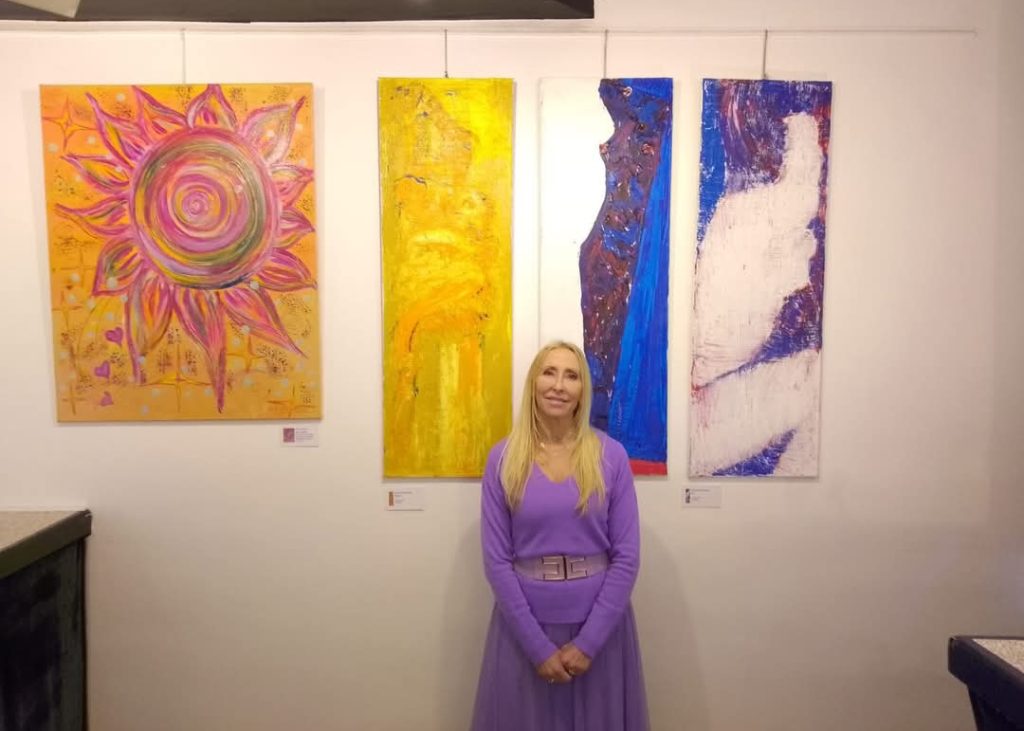
Flashes of reality that occur in human existence are usually ignored because the ego ensures that one’s entire attention remains focused solely on the illusory world it has created. And yet, as human beings, we sense that there is something more. When this feeling arises—this flash of reality—some people feel the need to express it, most often using the most familiar means of expression. Every act of expressing reality must be spontaneous; otherwise, it becomes an act of illusion. A flash of reality must be expressed through expression, here and now—otherwise, it becomes an image that is further processed by the human ego and stored in the imagination. Such a painting, a product of imagination, appearing on canvas becomes factual but not real. Even the most impressive image is just another form of illustration of an illusory world, ultimately making it an act of false representation of reality. It is the work of a „reproducer”—for what else can we call someone who presents a creation of the imagination? Contemporary art indicates that in the past, this was simply „reproduction.” Perhaps all the art we know is invented, yet its universal function proves that humans have gone beyond animals. Man has become conscious. A conscious and capable reproducer of imagined images is a painter, but not an artist. An artist is someone else entirely. Certainly, the name ORAPISTA arose from the need to define an Artist who, by minimizing the ego, attempts to express the unspoken. By its very nature, the Orapista Artist, in performing an act in the material world, inevitably distorts reality and gives it non-existent qualities. However, their focus is not on the act of materializing energy but on the energy of creation itself. For example, a sketch of a being or an object on canvas becomes a screen for the artist to capture a flash of reality. For me, in orapism, a sketch of a woman is often such a screen— for projection of a perceptible flash of reality. The act of creating orapism is a state of integration of feminine and masculine energy in the coherence of heart and mind. Expression occurs in a complete state of flow. There are no thoughts. The Orapista Artist does not allow themselves to connect with the ego, avoiding states burdened by the human affliction of implanted condemnation, the need for absolution, and the desire to belong. They go beyond beliefs. The Orapista Artist is not interested in constructing their personality, nor are they a beggar seeking applause. They do not define themselves. The artist becomes a conscious observer. They are a tool of the expression of reality. Here, reality pours through the Orapista Artist. I could say, „Observe it, merge with it, and becoming the stylus, inscribe it upon the canvas.” Orapism is a tool for silencing the mind. It allows to directly access to the heart, the home of the soul . In new art, there is a need for a new human—one who trusts themselves, reflects their individuality and does not repeat the enslaving specter of artistic patterns. To fully experience orapism, the viewer must abandon using the mind, nowledge, and logic. Only in this way can one experience orapism. Orapism is an experience. Here, no definition is true. Orapism cannot be spoken. Orapism treats both the Artist and the viewer the same. It demands openness to reality from both.

Experience Orapism.

ORAPISM—Follow now.

Orapizm – zapraszam cię byś czerpał z tego co mi się przytrafiło

Przebłyski rzeczywistości, które zdarzają się w ludzkiej egzystencji, zazwyczaj są przez człowieka ignorowane, ponieważ jego ego pilnuje, aby skupiał on całą swoją uwagę tylko i wyłącznie na stworzonym przez niego iluzorycznym świecie. A jednak, jako istoty ludzkie, odczywamy, że jest coś więcej. Kiedy zdarzy się to odczucie, ten przebłysk rzeczywistości, niektórzy mają potrzebę, żeby to przedstawić i wtedy stosują ekspresję, używając najczęściej, najbardziej znanych środków wyrażania. Każdy akt wyrazu rzeczywistości musi być spontaniczny, w innym wypadku staje się aktem iluzji. Przebłysk rzeczywistości ma być wyrażony przez ekspresję, tu i teraz, inaczej stanie się obrazem, który dalej już tylko pozostaje przerabiany przez ludzkie ego i przechowywany w wyobraźni. Taki akt malaski, wytwór wyobraźni, pojawiając się na płótnie staje się faktyczny, ale nierzeczywisty. Taki obraz, nawet najbardziej imponujący, jest tylko kolejnym wynikiem jakiejś formy ilustracji iluzorycznego świata, zatem ostatecznie jest aktem fałszywego obrazu rzeczywistości. To dzieło ,,odtwórcy”, bo jak inaczej nazwać kogoś kto prezentuje wytwór wyobraźni. Współczesna sztuka wskazuje, że w przeszłości było to po prostu ,,odtwarzanie”. Być może faktycznie cała znana nam sztuka jest wymyślona, ale jednocześnie jej uniwersalna funkcja dowodzi, że człowiek wyszedł ponad zwierzę. Człowiek stał się świadomy. Świadomy i zdolny odtwórca obrazów wyobraźni to malarz, ale nie artysta. Artysta to ktoś inny. Na pewno nazwa ORAPISTA powstała z potrzeby nazwania Artysty, który minimalizując ego dokonuje próby wyrażenia, tego co niewypowiedziane. Samo przez się Artysta Orapista dokonując aktu w świecie materialnym w jakiś sposób zniekształca rzeczywistość i nadaje jej cechy nieistniejące, jednakże jego uważność nie zawiera się w akcie materializowania energii, a w samej tworzącej energii. Przykładowo szkic istoty, czy przedmiotu na podobraziu staje się dla artsty ekranem dla dokonania aktu uchwycenia przebłysku rzeczywistości. Dla mnie często w orapizmie szkic kobiety jest takim ekranem do projekcji odczuwalnego przebłysku rzeczywistości. Akt tworzenia orapizmu jest stanem integracji energii żeńskiej oraz energii męskiej w koherencji serca i umysłu. Ekspresja dokonuje się w całkowitym flow. Nie ma myśli. Artsta Orapista nie pozwala sobie na łącznie się z ego, więc nie wchodzi w stany obarczone ludzim brzemieniem wszczepionego potępienia i chęci zasłużenia na rozgrzeszenie i przynależność. Wychodzi ponad wierzenia. Artysta Orapista nie jest zainteresowany tworzeniem swojej osobowości, nie jest żebrakiem oczekującym poklasku, nie definiuje się. Artysta staje się świadomym obserwatorem. Jest narzędziem ekspresji rzeczywistości. Tu rzeczywistość wlewa się przez Artystę Orapistę. Mógłbym powiedzieć ,,Obserwuj ją, scal się z nią i stając się rysikiem, zapisuj na płótnie”. Orapizm to narzędzie do zatrzymania umysłu. Pozwala dotrzeć prosto do serca, które jest domem duszy. W nowej sztuce potrzeba człowieka nowego, ufającego sobie, odzwierciedlającego swoją indywidualność, niepowtarzającego wzorca niewolniczego widma sztuki. Odbiorca orapizmu, aby doznać jego pełni zrezygnuje z używania umysłu, wiedzy i logiki. Tylko tak można doznać orapizmu. Orapizm to doznanie. Tu żadna definicja nie jest prawdziwa. Orapizmu nie można wypowiedzieć. Orapizm zarówno Artystę jak i odbiorcę traktuje tak samo. Od obu wymaga otwarcia na rzeczywistość.

Doświadcz orapizmu.

ORAPIZM – teraz śledzić.

MET

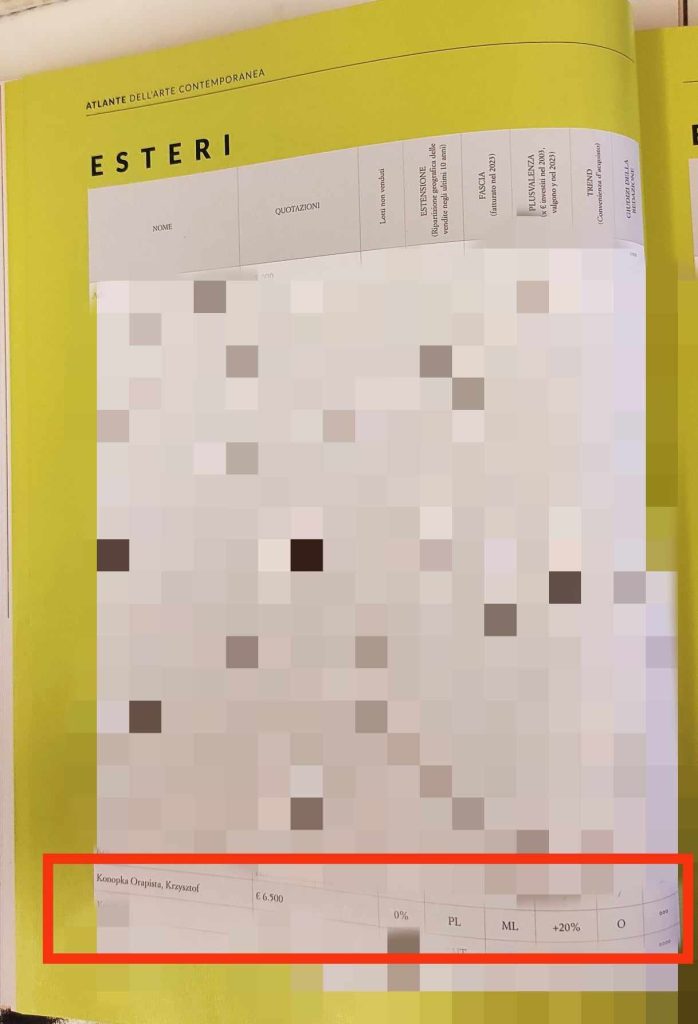
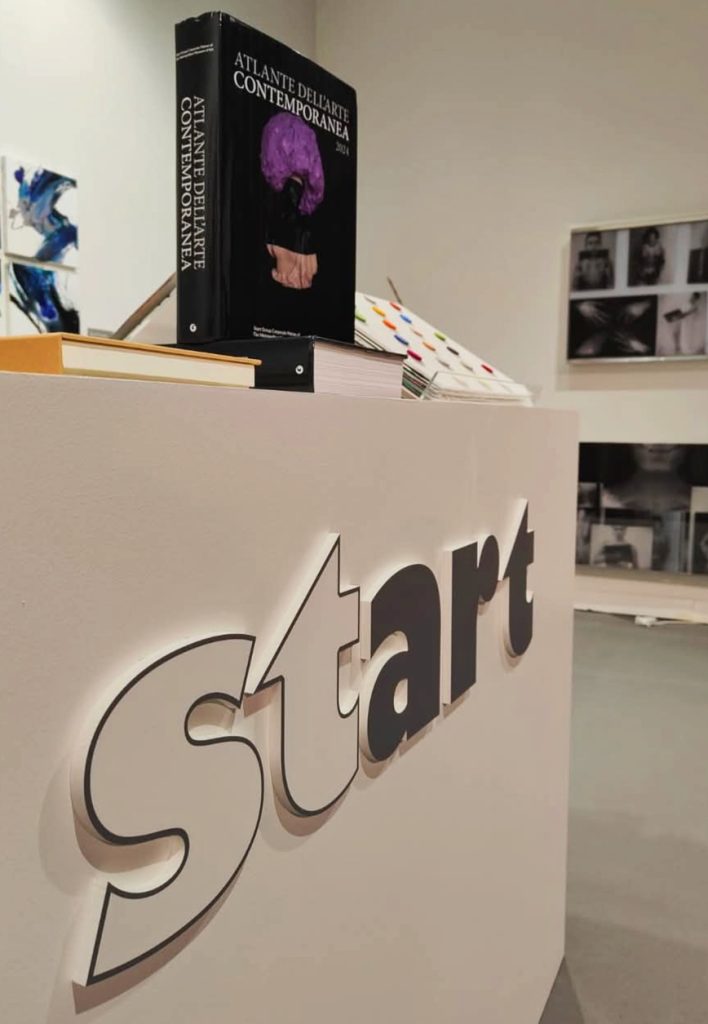
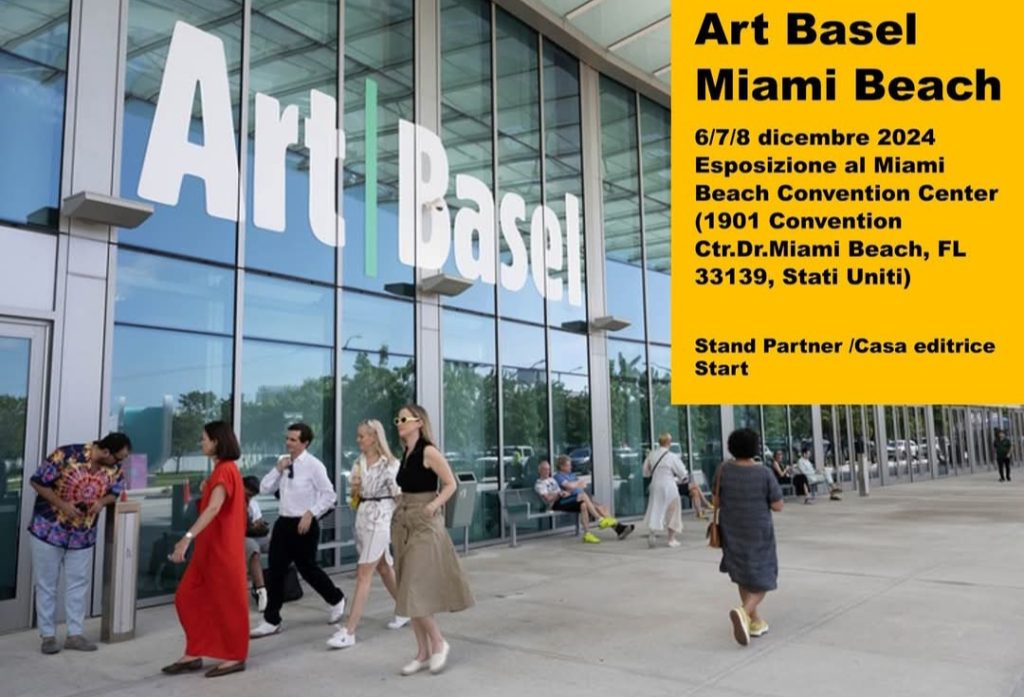
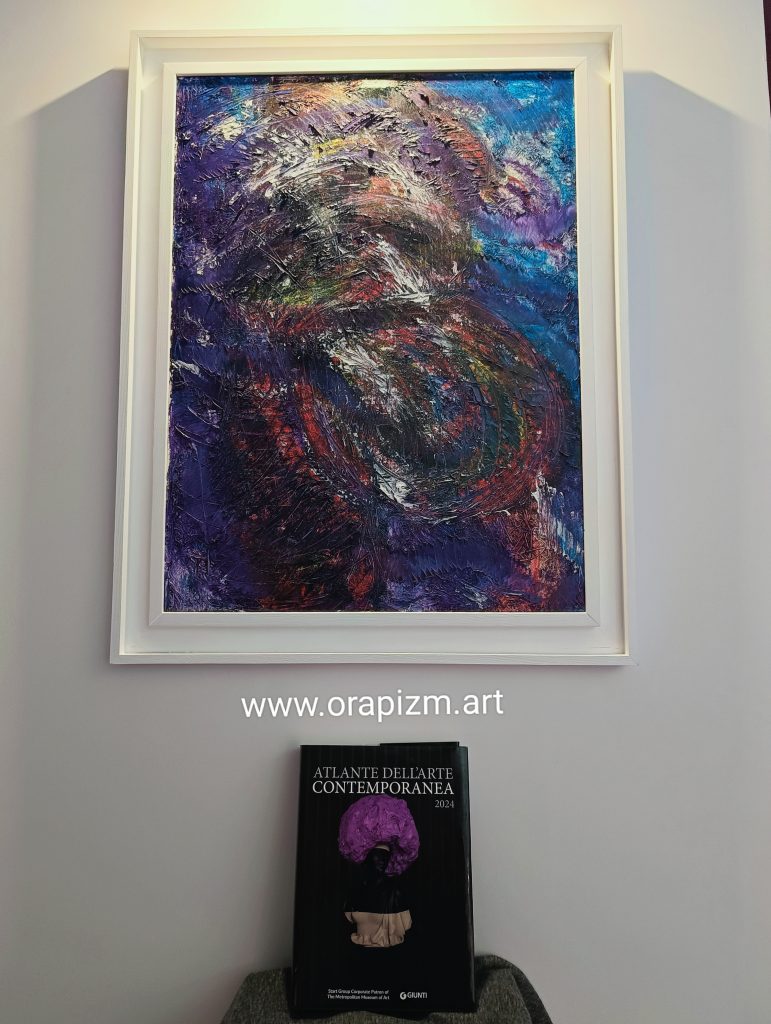
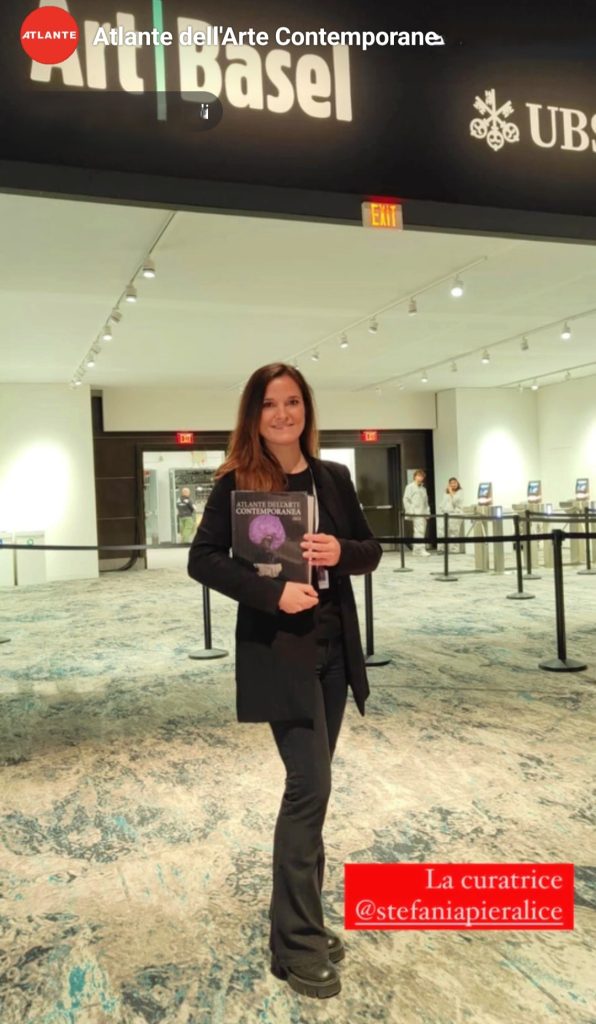
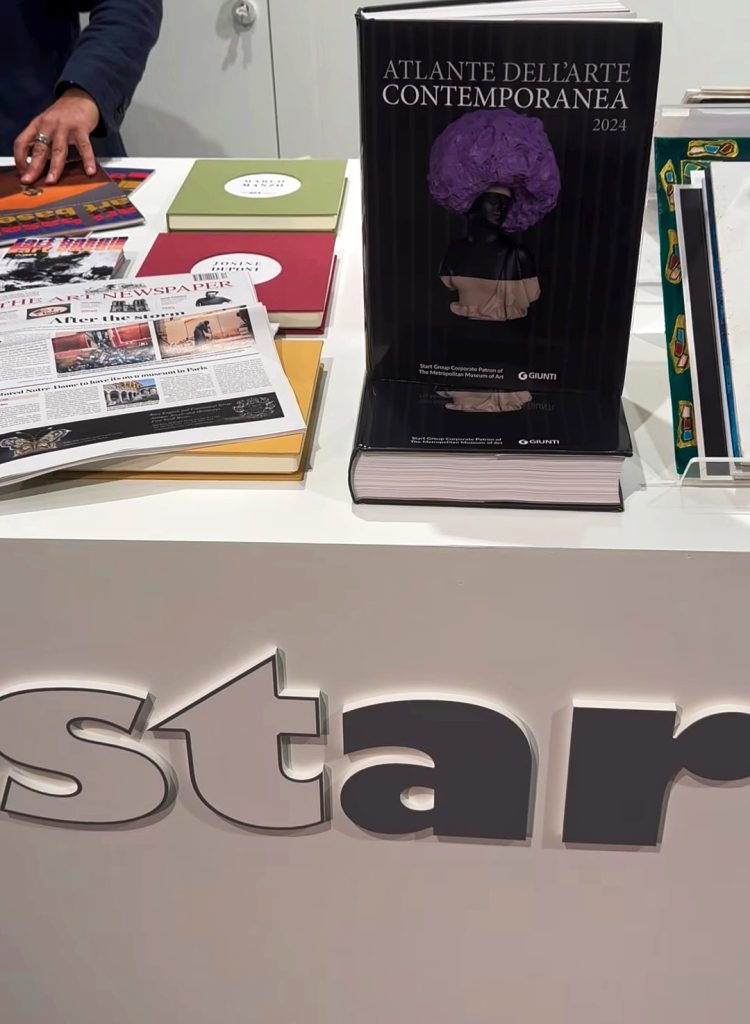
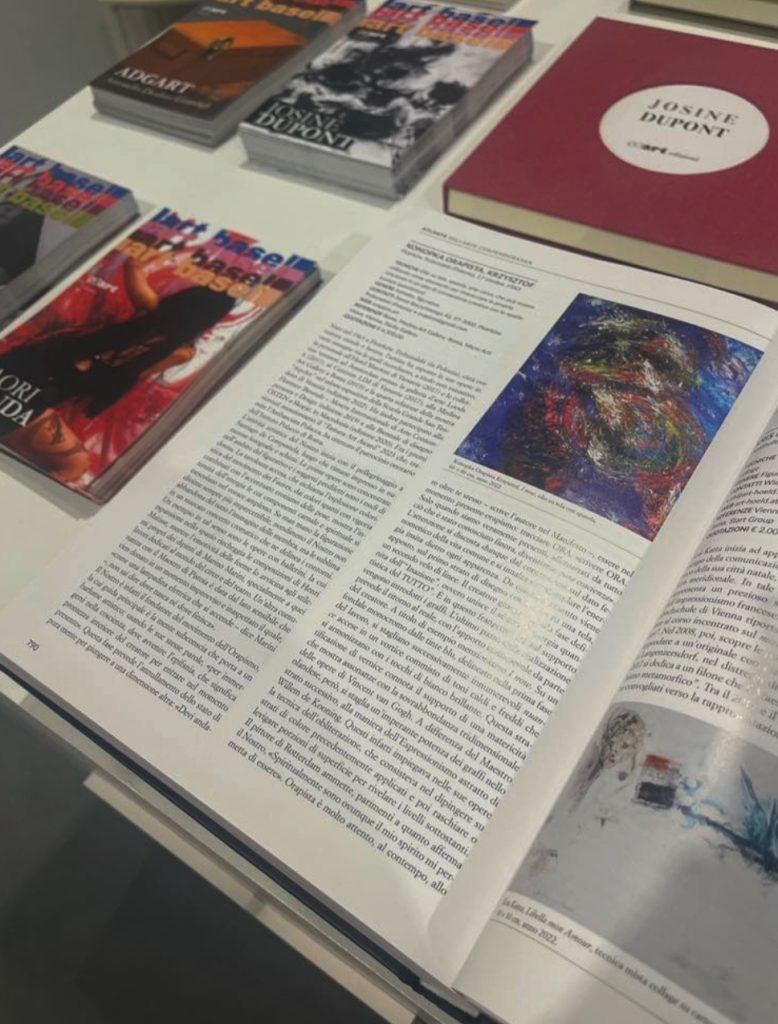
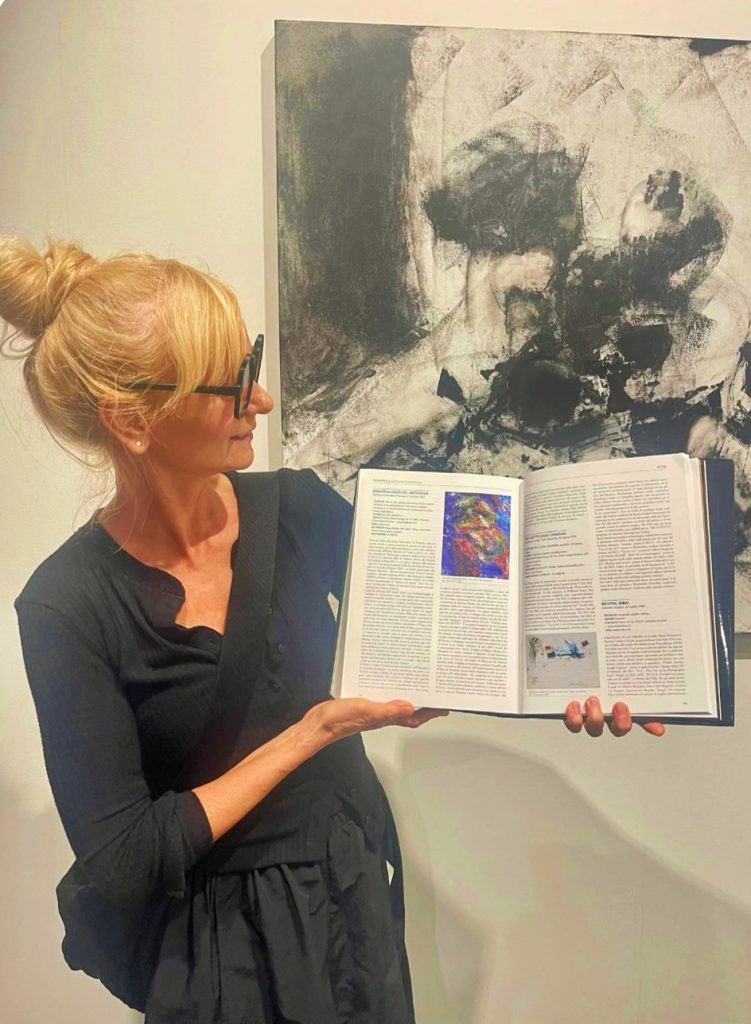
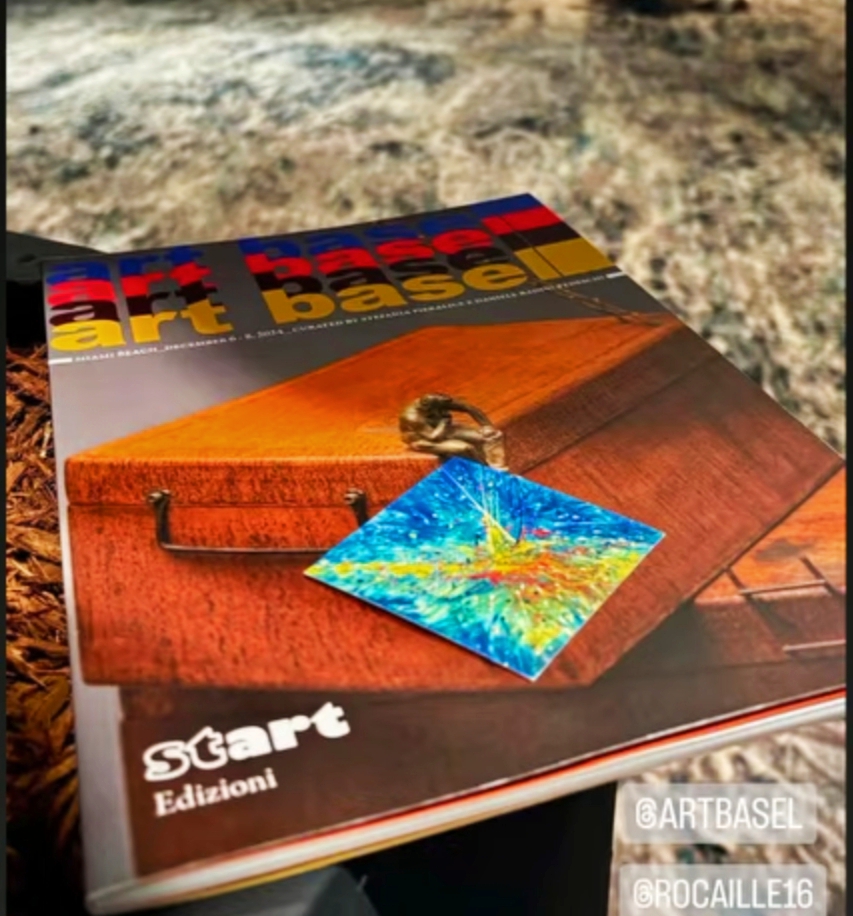
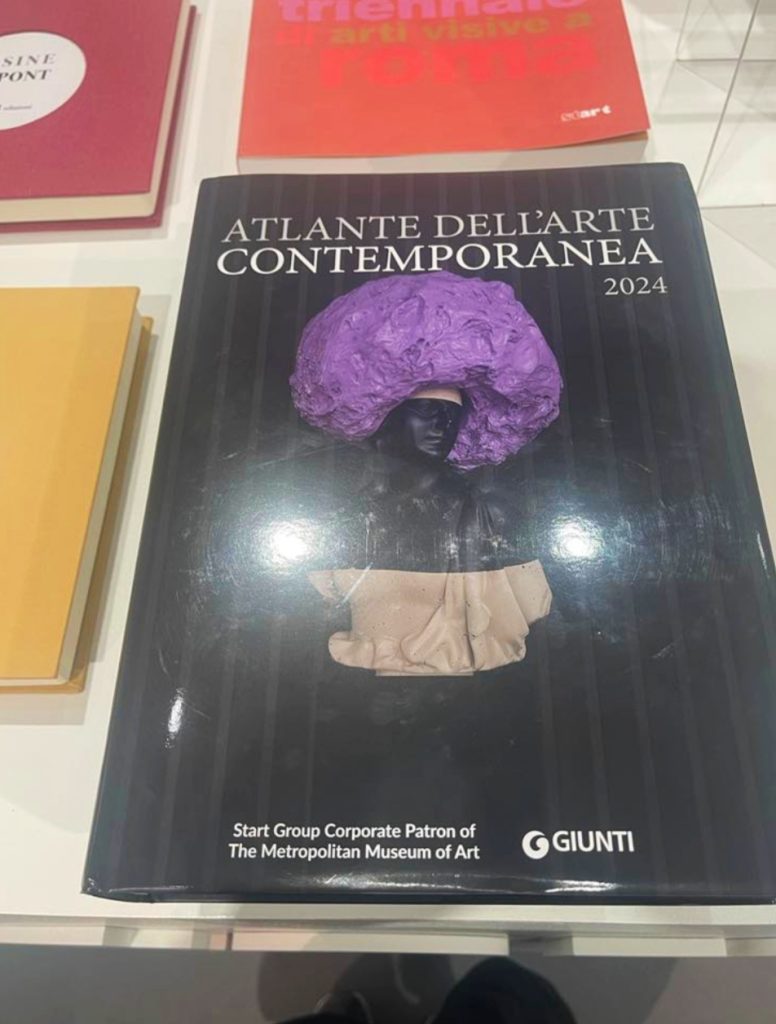
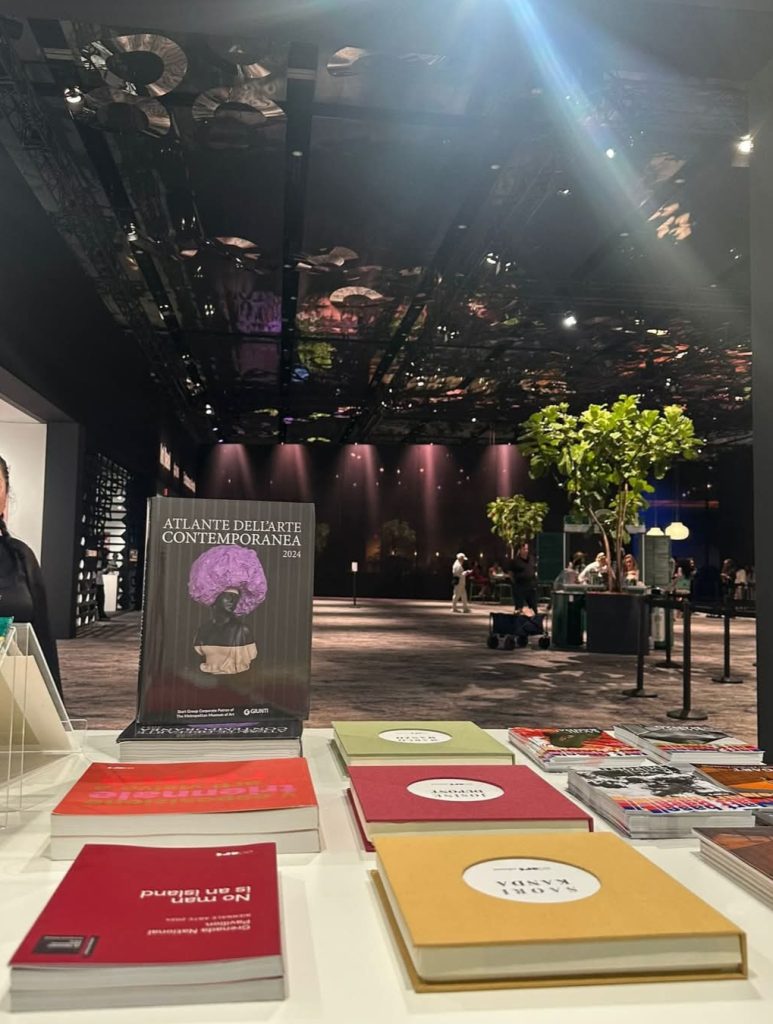
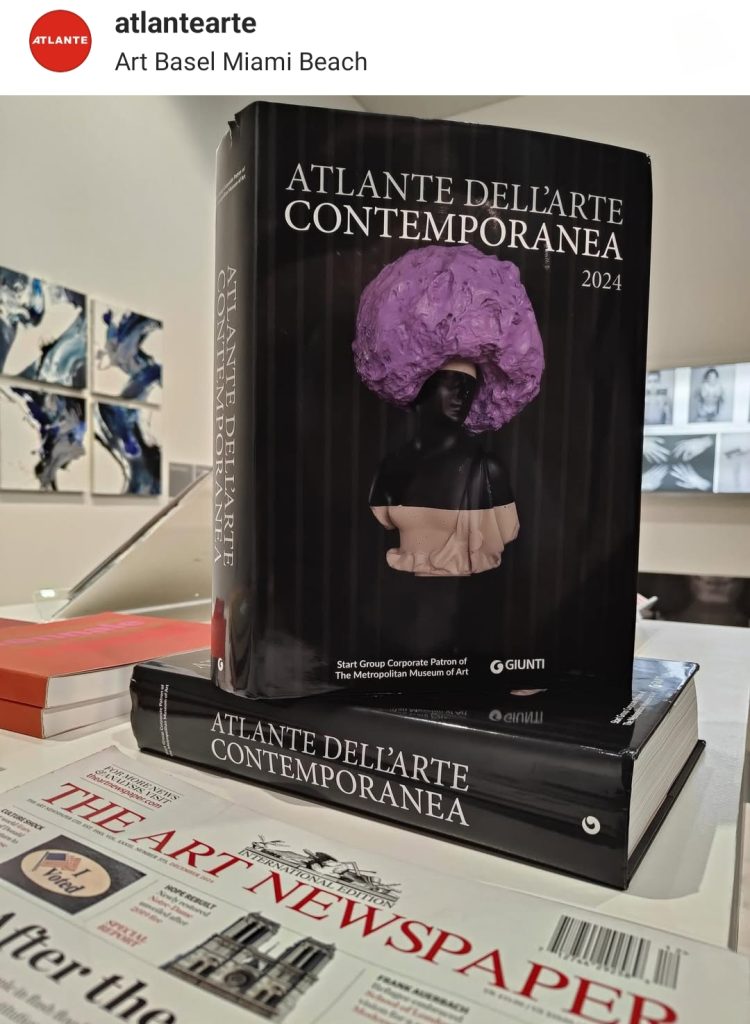
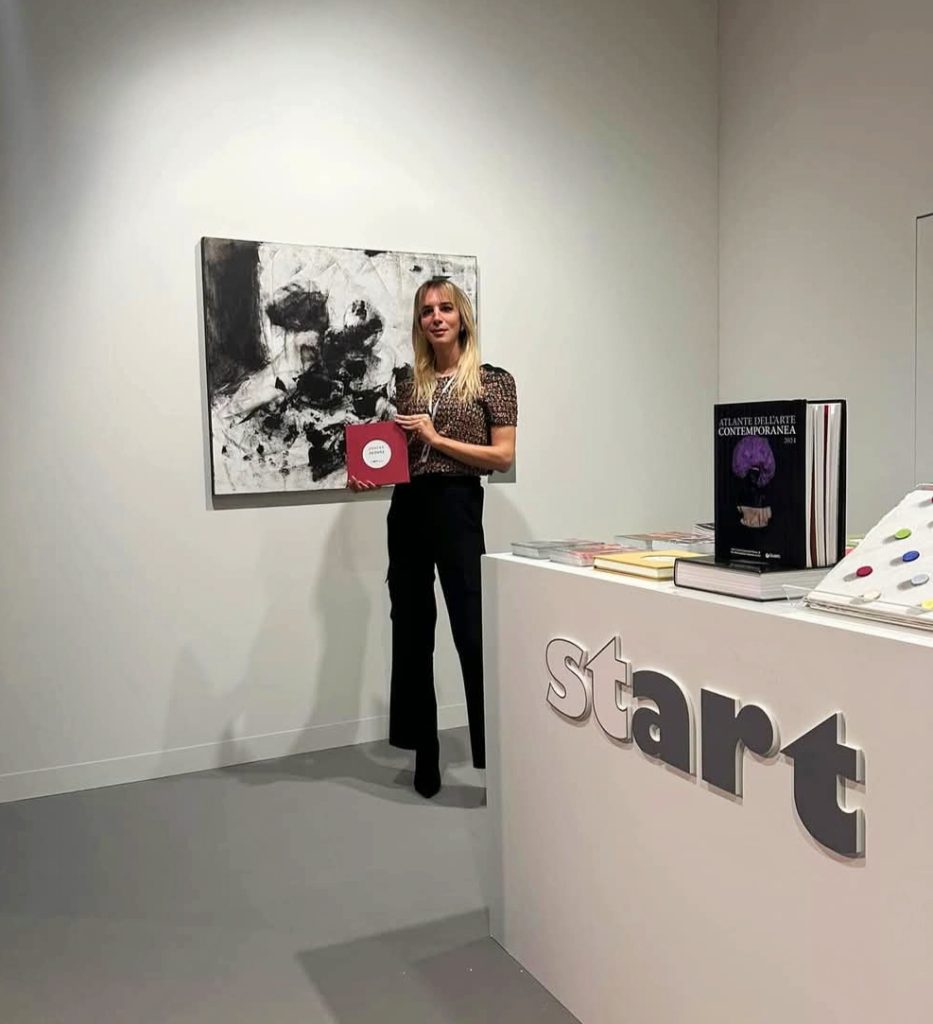
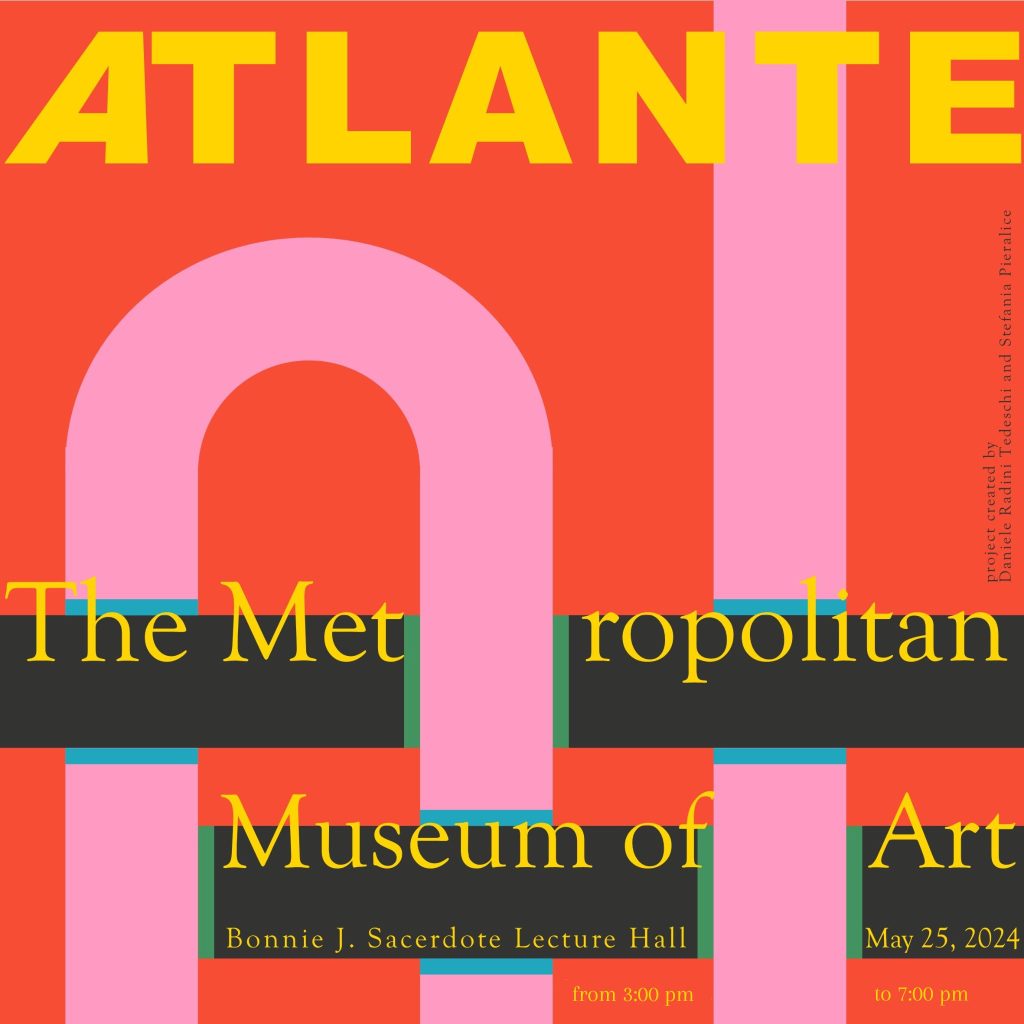
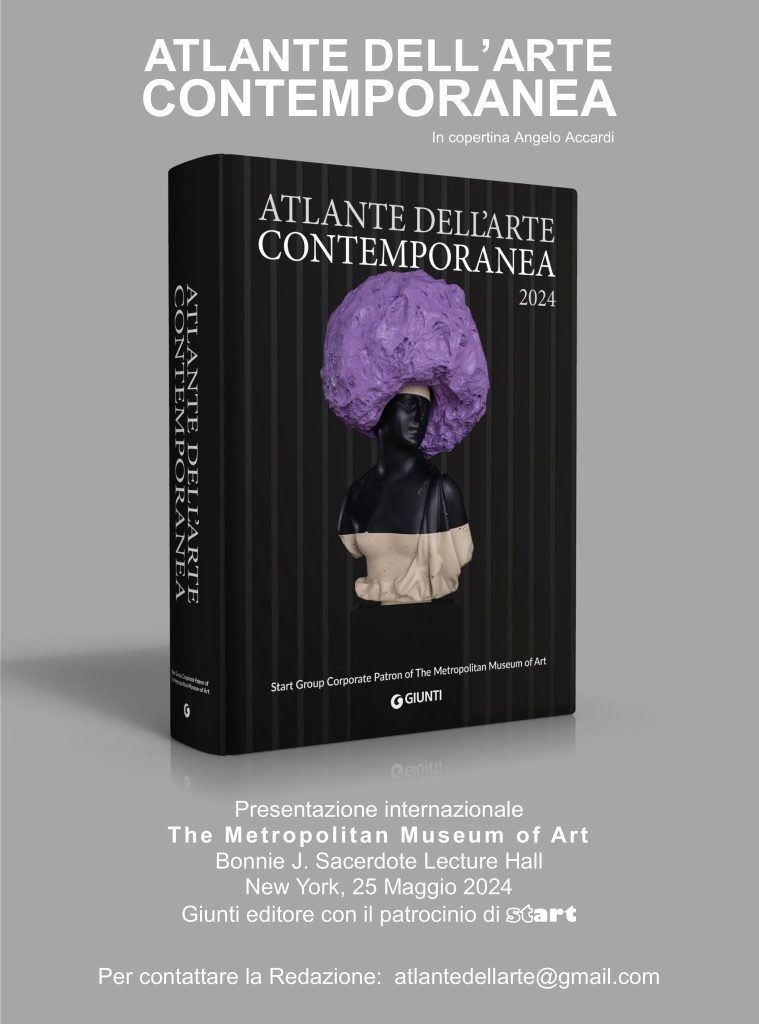
05/25/2025 The Metropolitan Museum of Art in New York will welcome our artists, celebrating Italian art and with it the oldest Art Yearbook: the Atlas of Contemporary Art, Giunti publisher. This is a milestone that has never happened before in the history of art publishing, a well-deserved recognition of Italian artists, by one of the most important museums in the world!

We would like to remind you that the volume, acquired this year by the Giunti publishing house, dates back to 1940. To highlight the longevity of the publication, a source of pride for the national artistic identity, a conference entitled: „1940-2023 more than eighty years of history of the Atlas of Contemporary Art” was held on February 9, 2023 – on the initiative and in the presence of the vice president of the Senate.

The Venice Biennale, in the Book Pavilion located in the Giardini – J. Stirling Pavilion – has also welcomed, among the most authoritative publications in the world, the Atlas of Contemporary Art, as a consultation tool relating to the artists participating in various editions of the illustrious visual event.

We look forward to seeing you in New York!

25.05.2025 il Metropolitan Museum of Art di New York accoglierà i nostri artisti, celebrando l’arte italiana e con essa il più antico Annuario d’Arte: l’Atlante dell’Arte Contemporanea, Giunti editore. E’ un traguardo mai accaduto fin d’ora nella storia dell’editoria d’arte, un meritato riconoscimento agli artisti italiani, da parte di uno dei Musei più importante al mondo!

Ricordiamo che il volume, da quest’anno rilevato dalla casa editrice Giunti, risale al lontano 1940. A porre l’attenzione sulla longevità della pubblicazione, vanto dell’identità artistica nazionale,si è tenuta il 9 Febbraio 2023 – su iniziativa e alla presenza del vicepresidente del Senato – la conferenza dal titolo: „1940-2023 più di ottant’anni di storia dell’Atlante dell’Arte Contemporanea”.

Anche la Biennale di Venezia, nel Padiglione del Libro situato ai Giardini – Padiglione J.Stirling- ha accolto, tra le più autorevoli pubblicazioni al mondo, l’Atlante dell’Arte Contemporanea, in quanto strumento di consultazione relativo agli artisti partecipanti a varie edizioni dell’illustre manifestazione visiva.

Vi aspettiamo a New York!

25.05.2024r. Metropolitan Museum of Art w Nowym Jorku przywitało naszych artystów, świętując włoską sztukę, a wraz z nim najstarszy Rocznik Sztuki: Atlanta Sztuki Współczesnej, redaktor Giunti. To kamień milowy, który nigdy nie miał miejsca w historii wydawnictwa sztuki, zasłużone uznanie dla włoskich artystów, jednego z najważniejszych muzeów na świecie!

Pamiętajmy, że tomik, z tego roku wykryty przez wydawnictwo Giunti, pochodzi z 1940 roku. Aby zwrócić uwagę na długowieczność publikacji, chwaląc się narodową tożsamością artystyczną, 9 lutego 2023 roku odbyła się konferencja pt. „1940-2023 ponad osiemdziesiąt lat historii Atlanty Sztuki Współczesnej” – z inicjatywy i w obecności wiceprezesa Senatu.

Również Biennale Wenecja, w Pawilonie Książki znajdującym się w Ogrodach – Pawilon J. Stirling- przywitał wśród najbardziej autorskich publikacji na świecie, Atlante of Contemporary Art, jako narzędzie konsultacji dla artystów uczestniczących w różnych edycjach znakomitej manifestacji wizualnej.